

Terra Manca, 91¶ÌÊÓƵ; Emmanuel Akwasi Marfo, University of Alberta; Laura Aylsworth, University of Alberta; Shannon E. MacDonald, University of Alberta, and S. Michelle Driedger, University of Manitoba
The term “vaccine hesitancy� was in wide use years before the World Health Organization (WHO) declared COVID-19 a pandemic. The term focuses on individual-level attitudes toward vaccines. Throughout the pandemic, much and about COVID-19 transmission focused on individual-level decisions, making it easy to .
By focusing on individual decisions, it is easy to overlook other reasons for suboptimal vaccine uptake. These include , , .
The perspective that health is the result of only individual behaviours falsely disconnects well-being from important factors like systemic , community well-being and environmental health (such as ). The also reinforces widespread social norms and , which for keeping themselves healthy, including getting vaccinated to protect others.
Although there have been efforts across Canada to improve COVID-19 vaccine accessibility and acceptability among underserved populations, the success of these efforts is and to reduce inequities. As a result, many individuals who are blamed for being unvaccinated are often also denied equal access to health care and vaccination services, and credible information about vaccines from trusted sources.
We are a group of researchers whose work explores in vaccination , and among , as well as public health and . We also research , and the use of vaccine to show how social inequities shape vaccine uptake.
What is vaccine hesitancy?
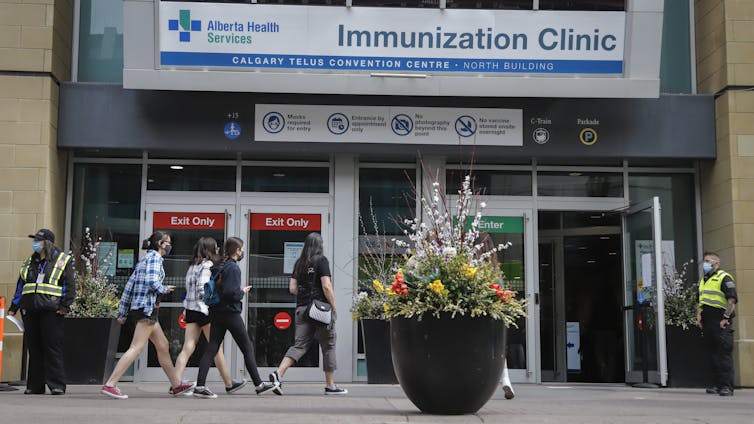
The Strategic Advisory Group of Experts (SAGE) on Immunization at the WHO defines vaccine hesitancy as a “� for various reasons, including convenience. Convenience refers to the absence of barriers to accessing and accepting vaccines. This includes availability, location accessibility, affordability of vaccination, understandability of vaccine information and appeal of vaccine services.
Systemic social issues affect vaccine access and acceptability. Yet, to individual-level decisions. Researchers have also because it distracts from the responsibility of government institutions to and acceptable to the population.
Social inequities create barriers to vaccination
Pre-pandemic research shows , especially for certain populations. These include racialized and , people with disabilities, people living in rural and remote areas, and those with low income. For example, a recent review of studies about barriers to adult vaccination listed access .
In Canada and internationally, the uptake of COVID-19 vaccines has been much higher than for other and routine vaccines. Yet, it has been harder for those with fewer resources to get vaccinated.
identified many barriers to getting vaccinated in Spring 2021 when COVID-19 vaccines first became widely available across Canada. These barriers include technology access, language requirements, accessible transportation and childcare, or health conditions, rigid work schedules and feeling unsafe.
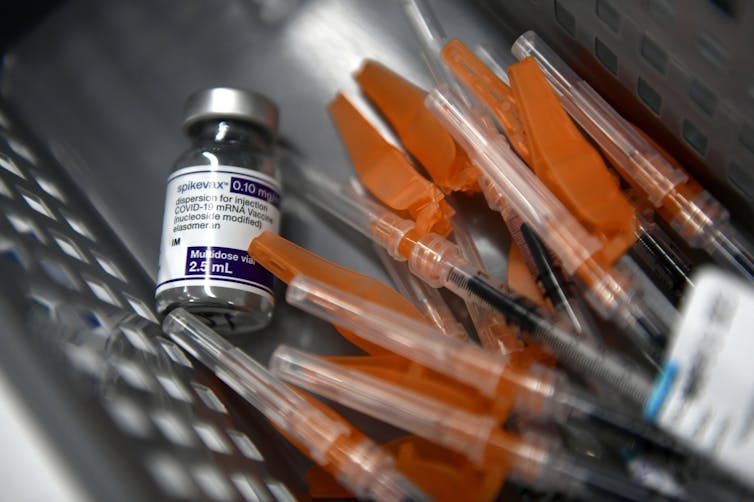
Similar barriers have been previously recognized with and seasonal .
For racialized and Indigenous populations, whom Canada’s National Advisory Committee on Immunization identified as being at of severe illness from , major also include and medical racism, disregard and mistreatment.
Improving vaccine access and acceptance
Throughout the pandemic, local non-profit, community and Indigenous organizations tailored vaccine rollouts for the people they serve.
For example, urban Indigenous health service providers sought of culturally appropriate care for First Nations, ²Ñé³Ù¾±²õ and Inuit communities, including people without shelter. However, some still noted lower uptake than in non-Indigenous populations.
, , , and initiatives provided culturally and linguistically appropriate , and wellness support.
Similarly, local organizations worked to improve vaccine accessibility for diverse peoples, including , and .
Provincial health authorities also worked to , providing , , and clinics. Federal, provincial and territorial governments also provided pandemic and vaccine information in to improve accessibility.
However, many of these efforts were initiated after mass vaccine clinics opened to the general public. This made it harder for populations that were recommended for vaccination early in rollouts to access the first available doses of COVID-19 vaccines.
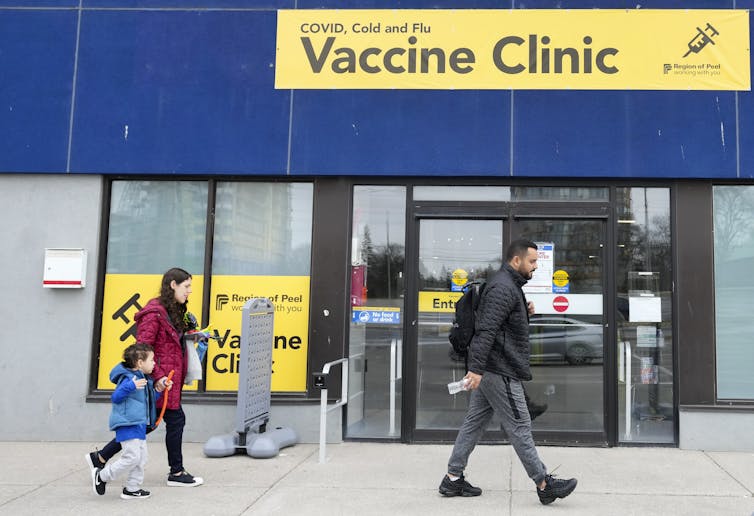
Although these initiatives improved vaccination accessibility for some underserved communities later in the rollout, remained high for many throughout the initial rollout, even for people who .
Addressing barriers
The overemphasis of research and public discussion on vaccine hesitancy makes systemic barriers to getting vaccinated invisible to the public. Instead, individuals are blamed for not getting vaccinated, even when access to vaccines is not equitable.
Without resolving barriers to vaccine access and acceptability, efforts solely focused on reducing vaccine hesitancy will not optimize vaccine uptake. Vaccine programs must be intentionally designed for those with the greatest barriers, starting with the initial rollout.
To improve vaccine access and trust, rollouts must occur in a contextualized way and in partnership with organizations that have community trust and experience working to improve access to health care and social justice. As modelled by local non-profit, community and Indigenous organizations, vaccine programs must be embedded in wider efforts to improve social equality and access to health care.
, Research Associate, Faculty of Nursing, University of Alberta, ; , Assistant researcher, Faculty of Nursing, ; , Research Assistant, Faculty of Nursing, ; , Associate Professor, Faculty of Nursing, , and , Professor, Department of Community Health Sciences,
This article is republished from under a Creative Commons license. Read the .